Wooden Bridge: A Vintage Font for Unique Projects
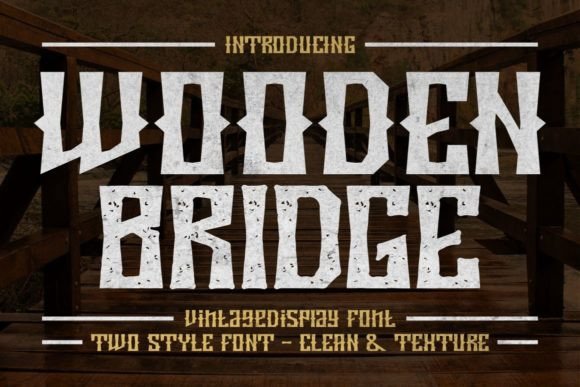
If you're looking to add a touch of nostalgia and character to your design work, Wooden Bridge is a font that can make a real difference. This display font brings a vintage, western aesthetic that can elevate the visual appeal of any project. Whether you're designing logos, posters, or branding materials, Wooden Bridge offers a distinctive style that stands out from the crowd.
One of the key advantages of Wooden Bridge is its PUA encoding. This means that users have direct access to all the glyphs and ligatures without needing special software or complex steps. For designers who value flexibility and ease of use, this feature can save time and simplify the creative process.
Wooden Bridge isn't just about style—it's also about functionality. The font is designed with clarity in mind, making it suitable for both large-scale displays and smaller text elements. Its unique letterforms and subtle imperfections give it an authentic feel that can enhance the storytelling aspect of your designs.
Why Wooden Bridge Matters for Designers
For professionals in the creative industry, finding the right font can be a game-changer. Wooden Bridge offers a solution that combines visual appeal with practicality. It’s ideal for projects that require a rustic or old-west vibe, such as packaging for artisanal products, promotional materials for events, or branding for businesses with a heritage theme.
Imagine you're working on a campaign for a boutique coffee shop that wants to emphasize its roots and community connection. Using Wooden Bridge could help convey that sense of tradition and authenticity. The font’s natural look can complement other design elements like hand-drawn illustrations or earthy color palettes, creating a cohesive and inviting visual identity.
Another scenario where Wooden Bridge shines is in the creation of event invitations or signage for festivals, fairs, or local gatherings. Its bold yet organic style can draw attention and set the tone for a nostalgic or adventurous experience. The font’s versatility makes it a valuable tool for designers who want to express a specific mood or message through typography.
Who Can Benefit from Wooden Bridge?
Wooden Bridge is particularly useful for a wide range of users, including small business owners, marketers, and independent creators. Entrepreneurs who are building a brand around a vintage or rural theme may find this font essential for establishing a consistent and recognizable visual identity.
Bloggers and content creators can also benefit from using Wooden Bridge in their graphic designs. Whether it's for social media posts, blog headers, or email newsletters, the font can add a personal and artistic touch that resonates with their audience. It’s especially effective when paired with imagery that reflects nature, craftsmanship, or historical themes.
Freelancers and designers who work on custom projects may appreciate the ability to offer clients a unique typeface that aligns with their vision. By incorporating Wooden Bridge into their toolkit, they can provide more options and differentiate their work from competitors who rely on standard fonts.
Practical Applications of Wooden Bridge
Consider a situation where you're designing a menu for a farm-to-table restaurant. The goal is to communicate the freshness and simplicity of the ingredients while maintaining a warm and welcoming atmosphere. Wooden Bridge can help achieve this by adding a handwritten, organic feel that complements the overall design.
Another example is when creating a poster for a music festival with a country or folk theme. The font’s rugged and expressive style can mirror the energy and spirit of the event, making the design more engaging and memorable. It can also work well with other typographic elements, such as bold headings or decorative accents.
For educators or publishers looking to create educational materials with a historical or cultural angle, Wooden Bridge can be a powerful tool. It can be used in textbooks, infographics, or presentations to add visual interest and reinforce the subject matter. The font’s readability ensures that it doesn’t compromise legibility, even in smaller sizes.
Limitations and Considerations
While Wooden Bridge is a strong choice for many projects, it’s important to consider its suitability for different contexts. The font’s stylized appearance may not be appropriate for formal or corporate settings where a clean, modern look is preferred. In such cases, alternative fonts might be more effective in conveying professionalism and reliability.
Additionally, users should test Wooden Bridge in various formats and sizes to ensure it meets their specific needs. Some design applications or platforms may have limitations in how they render custom fonts, so it’s wise to preview the font in real-world scenarios before finalizing a project.
It’s also worth noting that while PUA encoding provides easy access to glyphs and ligatures, some users may need to familiarize themselves with how to use these features effectively. Taking the time to explore the font’s capabilities can unlock new creative possibilities and enhance the overall design outcome.
Conclusion: Elevate Your Designs with Wooden Bridge
Wooden Bridge is more than just a font—it’s a creative asset that can bring a unique personality to your work. Its vintage charm, practical encoding, and versatile application make it a valuable addition to any designer’s collection. Whether you’re aiming to evoke a sense of nostalgia, support a specific theme, or simply stand out from the competition, Wooden Bridge can help you achieve your goals with style and ease.
By choosing Wooden Bridge, you’re not just selecting a typeface—you’re embracing a design philosophy that values authenticity, creativity, and meaningful expression. With its thoughtful design and user-friendly features, it’s a font that can inspire and empower your next project.