Miquel Ayala: A Unique Display Font for Creative Projects
When it comes to design, the right font can make all the difference. Miquel Ayala is a display font that stands out for its distinct character and versatility. It’s not just another typeface; it’s a tool that can elevate your creative work and add a touch of personality to any project. Whether you're designing a logo, crafting a marketing campaign, or working on a personal project, Miquel Ayala offers a fresh perspective that can enhance your visual communication.
Understanding Miquel Ayala
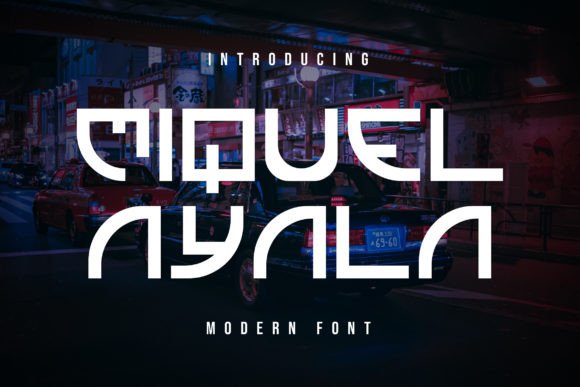
Miquel Ayala is a display font that combines elegance with a modern edge. Its unique letterforms and subtle details make it ideal for situations where you want to grab attention without overwhelming the viewer. Unlike more traditional fonts, Miquel Ayala brings a sense of individuality and creativity that can help your work stand out in a crowded digital space.
This font is particularly well-suited for headings, titles, and other prominent text elements. Its readability at larger sizes ensures that it remains effective even when used in high-impact areas. Miquel Ayala isn’t meant for body text, but as a standout element, it can transform the look and feel of your design.
Integrating Miquel Ayala into Your Workflow
Whether you're starting a new project or refining an existing one, Miquel Ayala can be a valuable addition to your design toolkit. The key is to use it strategically, ensuring that it complements the overall aesthetic and purpose of your work.
Before beginning a project, consider the tone and message you want to convey. If you're aiming for a bold, artistic statement, Miquel Ayala can be an excellent choice. It works well in branding, advertising, and editorial design, where visual impact is crucial. By selecting the right font early in the planning phase, you can set the foundation for a cohesive and impactful design.
During the execution phase, Miquel Ayala can be used to highlight key elements, such as headlines, call-to-action buttons, or section titles. Its distinctive style can draw the viewer’s eye and guide them through the content. However, it's important to balance its use with other fonts to maintain readability and avoid visual clutter.
After completing a project, Miquel Ayala can still play a role in quality control and refinement. Reviewing how it interacts with other design elements can help ensure that the final output meets your standards. This includes checking for consistency in spacing, alignment, and contrast with other typographic elements.
Using Miquel Ayala in Different Contexts
Miquel Ayala is adaptable and can be used across various platforms and mediums. In digital design, it works well in web layouts, social media graphics, and mobile interfaces. Its clean lines and strong presence make it suitable for both static and dynamic content. When used in print, Miquel Ayala can add a professional and polished look to brochures, posters, and packaging designs.
For creators and entrepreneurs, Miquel Ayala can be a powerful tool in branding. It can be incorporated into logos, business cards, and promotional materials to create a memorable visual identity. Its unique style helps differentiate a brand from competitors and reinforces a sense of creativity and innovation.
In educational and instructional settings, Miquel Ayala can be used to create engaging content. It’s ideal for course titles, presentation slides, and informational graphics. Its ability to command attention makes it a good choice for highlighting important concepts or instructions.
Best Practices for Using Miquel Ayala
To get the most out of Miquel Ayala, consider the following tips:
- Limit usage: Use Miquel Ayala sparingly to maintain visual balance. It works best as a focal point rather than a dominant element throughout the entire design.
- Pair with complementary fonts: Combine Miquel Ayala with simpler, more readable fonts for body text or supporting elements. This creates a harmonious and professional look.
- Test different sizes: Experiment with varying font sizes to see how Miquel Ayala performs in different contexts. Larger sizes often showcase its strengths better than smaller ones.
- Consider the audience: Ensure that the font aligns with the target audience’s preferences and expectations. What works for a creative project may not be appropriate for a corporate setting.
By following these guidelines, you can integrate Miquel Ayala into your workflow in a way that enhances your design without overshadowing other elements.
Collaboration and Team Integration
When working with a team, it's important to establish clear guidelines for using Miquel Ayala. This ensures consistency across projects and prevents misinterpretations. Share examples of how the font should be applied and provide resources for accessing it.
Collaborators may have different opinions on typography, so open communication is essential. Discuss the goals of each project and how Miquel Ayala can support those objectives. This helps align everyone’s efforts and ensures that the final result meets the desired standards.
Additionally, consider the technical aspects of using Miquel Ayala. Make sure that all team members have access to the necessary files and understand how to implement the font correctly. This includes checking compatibility with design software and ensuring that it displays properly across different devices and platforms.
Long-Term Use and Maintenance
As you continue to use Miquel Ayala in your projects, keep track of how it performs over time. Monitor feedback from users and stakeholders to identify any potential issues or areas for improvement. This helps ensure that the font remains effective and relevant in your workflow.
Regularly updating your design assets and reviewing your typographic choices can also help maintain a high standard of quality. This includes revisiting how Miquel Ayala is used in different contexts and making adjustments as needed. Staying proactive about font management can save time and prevent inconsistencies down the line.
Ultimately, Miquel Ayala is more than just a font—it's a design decision that can influence the success of your creative projects. By understanding its strengths and limitations, you can use it effectively to achieve your goals and create visually compelling work.